February 27, 2026
The People Who Show Up Early Rarely Stay on the Sidelines
The mood around AI right now is strange, and honestly a little funny.
Not long ago, it was mostly novelty. People were playing with chatbots, making silly images, and acting like they had front-row seats to the future. Now the tone has changed. Every conversation seems to end in one of two places: either AI is about to unlock a new era of productivity, or it is quietly getting ready to replace half the workforce.
And somehow, both sides sound completely sure.
That is probably the most entertaining part. The same tools, the same news, the same demos, and yet one group sees endless upside while the other sees the beginning of collapse. Spend five minutes on X and you get the full show. One person says everything has changed. Another says it is all hype. Then someone else writes a long thread explaining why both are wrong.
So yes, there is a lot of noise. But underneath it, something real is happening.
What Feels Different This Time
Companies are changing how they work. Teams are getting smaller in some places, faster in others. People are rethinking what is valuable, what still needs a human touch, and what maybe never did. Some of the excitement is real. Some of the panic is real too. And a lot of it is what always happens when a big shift starts to feel real: people exaggerate early because it is easier than admitting nobody fully knows where it leads.
What stands out to me most is the gap between the people inside the bubble and everyone outside it.
Inside my bubble, you can feel the urgency. People sense that something is moving, and that if they do not start building, testing, or learning now, they may wake up later and realize the easy window is gone.
Outside that bubble, most people still do not really see it.
For them, this is still just another tech story. Another overexcited wave. And that is exactly why this moment matters. The best opportunities usually exist before the crowd agrees they are real.
A Familiar Pattern
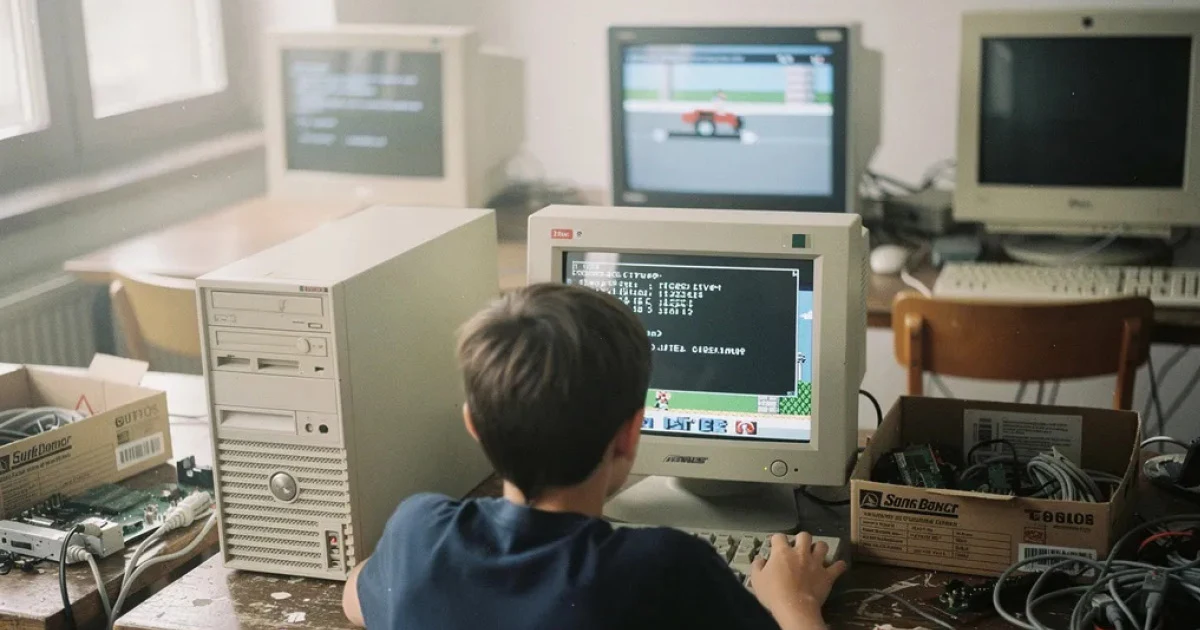
Back then, I joined a computer club simply because I was curious. I was into games and anything around computers, but I honestly had no clue what it would be about and did not expect much from it.
I walked in, and the teacher had a pile of boxes in front of him.
No polished introduction. No big speech. Just boxes full of parts and a simple message: figure it out.
So we did.
We built those computers ourselves, piece by piece, and later used them to connect to the internet, the first real connection in our town. It was held together in a wonderfully improvised way, with a cable stretched across the street to the firefighters' building opposite us.
At the time, it felt incredible. It felt open, exciting, and bigger than the room we were standing in. It felt like we were seeing something early, before most people understood why it mattered.
Why I Lean Optimistic
Looking back, almost nobody from that little circle ended up doing badly.
Most stayed in IT in one form or another. One guy from our tiny town made it all the way to Tesla. Others ended up leading IT in serious roles. None of us ever really struggled to find work. The people who got close to that shift early usually found their place in the world that came after it.
That is why I naturally lean toward the optimistic side now.
Not blindly. There will be disruption. Some roles will shrink. Some companies will disappear. Some people will wait too long. And yes, there is plenty of nonsense mixed in with the real signal.
But from what I have seen, the people who show up early rarely regret it.
They learn faster. They spot opportunities sooner. They build instincts before the space gets crowded.
The Real Advantage
The real edge is not perfectly predicting the future. It is being willing to step in before it feels obvious.
Because once everyone agrees, you are not early anymore. You are just late in a better mood.
That is what AI feels like right now.
Messy, overhyped, real, and still early enough to matter.
And if I have learned anything from moments like this, it is simple: the people who show up early usually do not stay on the sidelines.
September 8, 2026
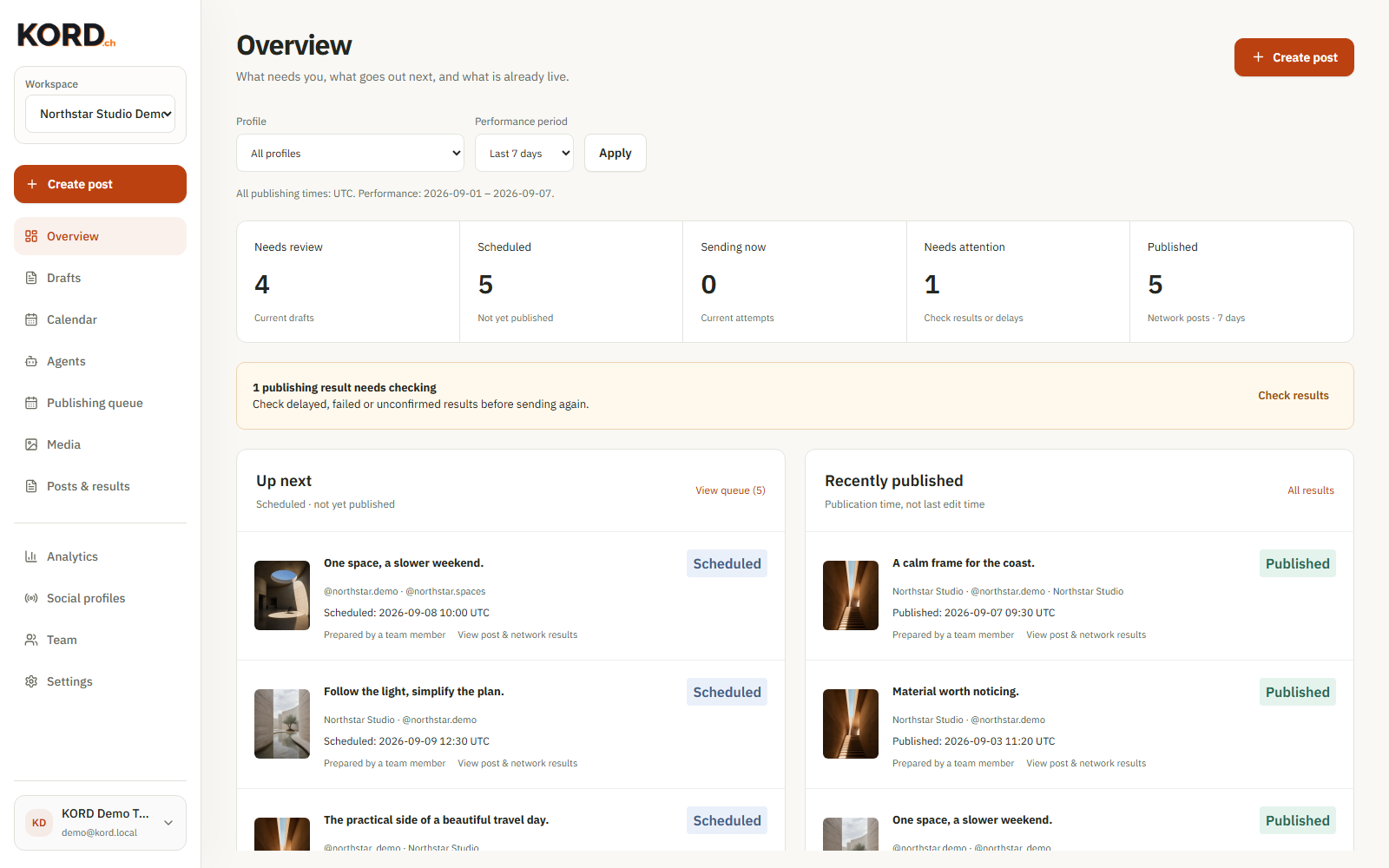
KORD: what changed after your feedback
Larger draft previews, simpler agent connections and a clearer view of what's scheduled and what actually went live.
August 30, 2026
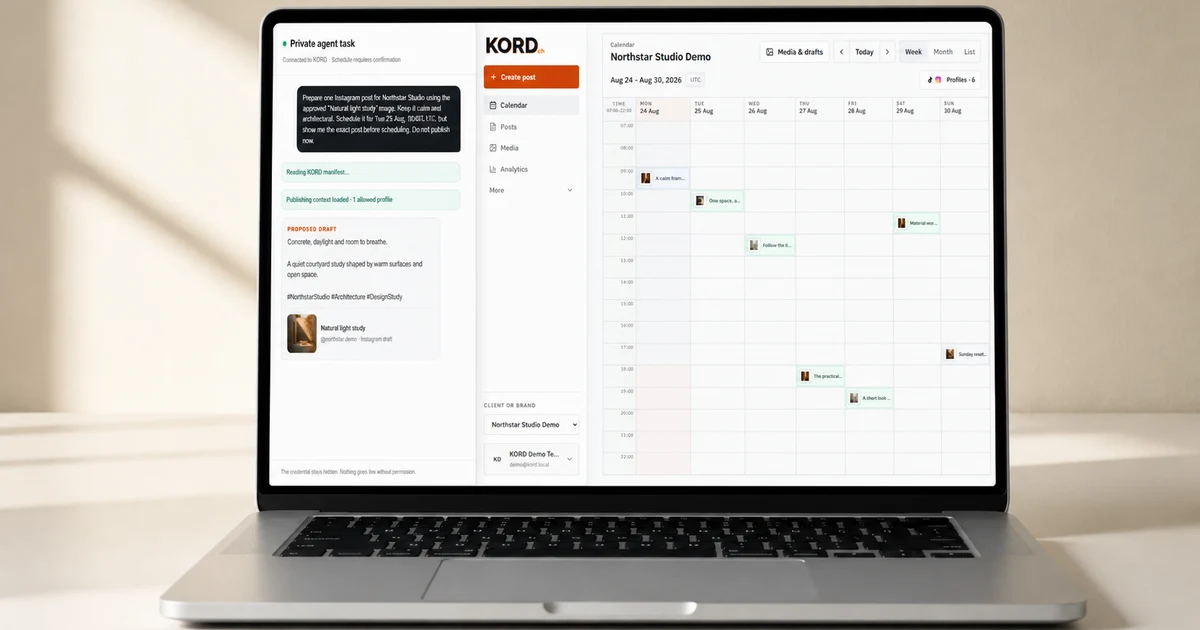
Give Your AI Agent Somewhere to Work
KORD gives AI agents a controlled way to prepare, schedule and publish posts to your business social accounts.
August 21, 2026
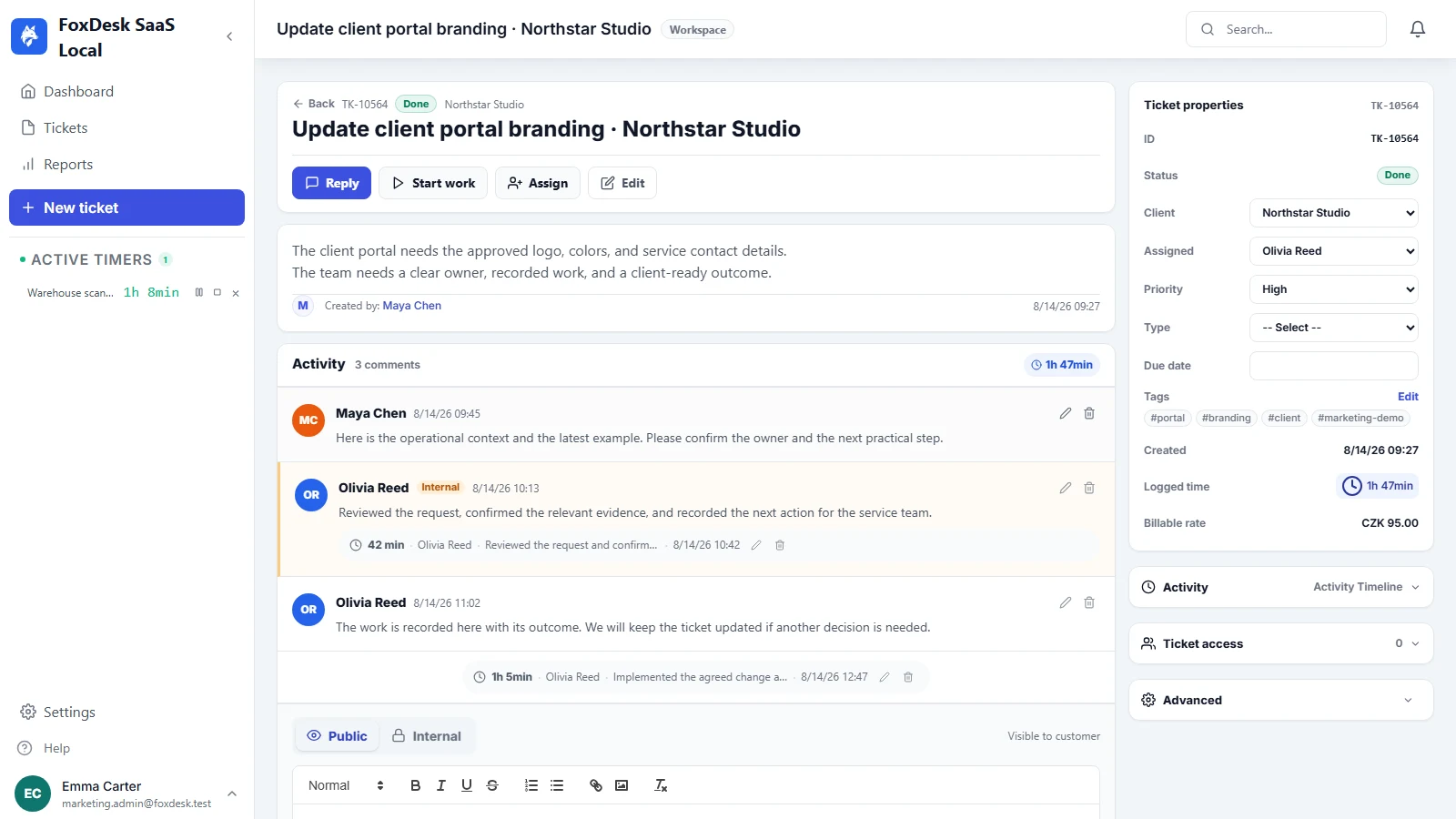
Turn team and AI agent work into clear client reports
Every month I was rebuilding client work from email, timers and agent threads. FoxDesk Cloud keeps the request, recorded work and client report together without asking you to run a server.
May 27, 2026
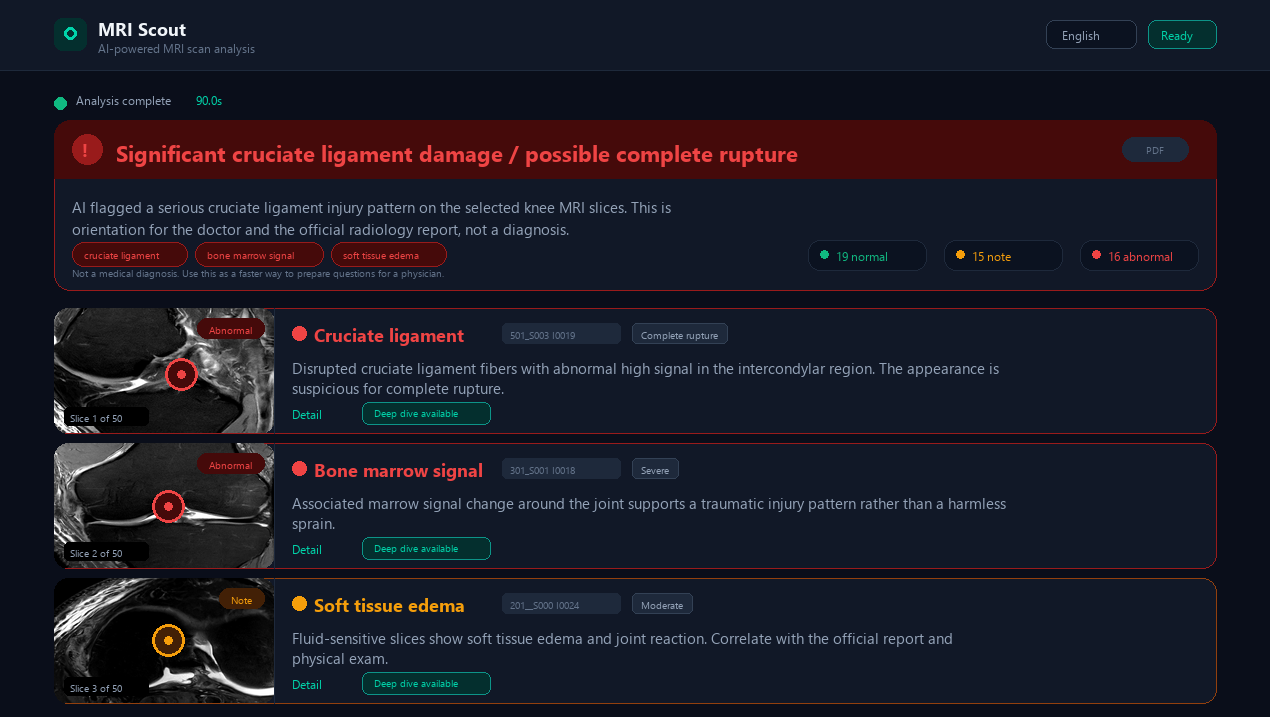
I Twisted My Knee Skiing and Built MRI Scout
In April I twisted my knee skiing, got the MRI data on a CD, and built MRI Scout for the waiting gap before the official report. Three days later, the AI result was very close.
March 29, 2026
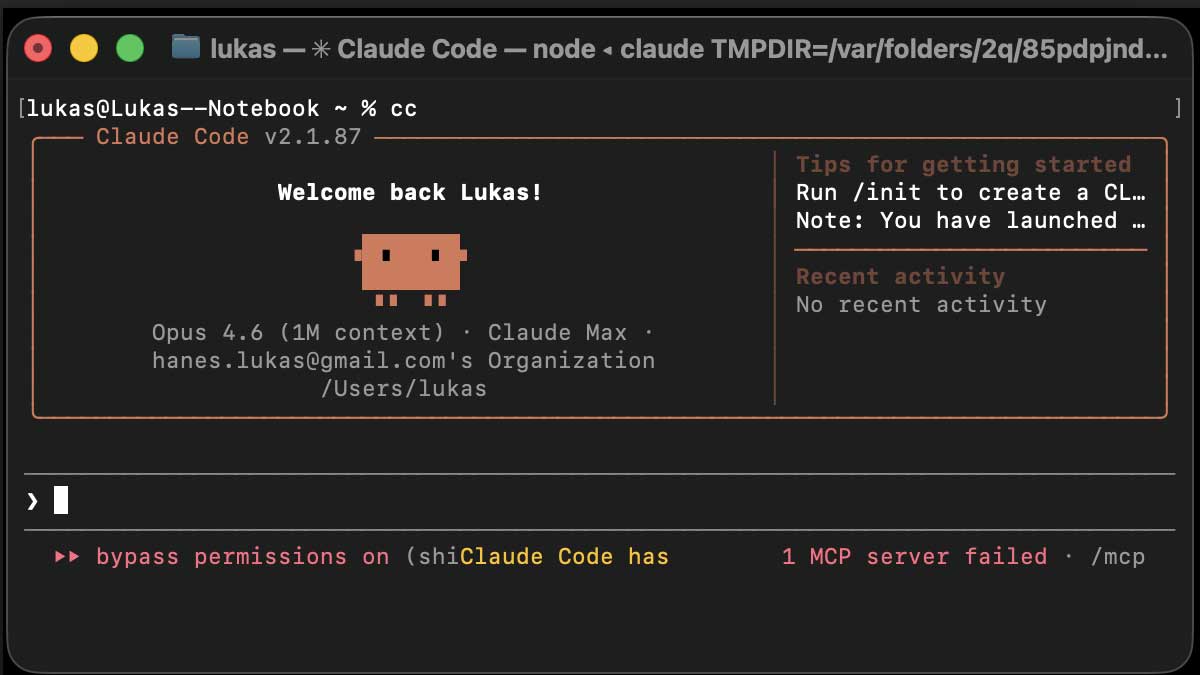
Terminal: The Most Efficient Way to Work With AI Agents. A Complete Guide From Zero.
The most efficient way to use AI agents starts in the terminal. A complete setup guide covering Git, sessions, project files, and the workflow that actually works. From absolute zero.

March 12, 2026
I Built an App with AI: Here's What Nobody Tells You
A month-long journey of building a real app with AI. No fairy tales, no doom, just practical lessons about taste, judgment, and leverage that nobody talks about.
March 6, 2026
FoxDesk v0.3.75 Is Live
FoxDesk v0.3.75 marked the first public open-source release. The AGPL-3.0 edition remains public at foxdesk.net, while the separately operated FoxDesk Cloud service is now available in public beta.